Source Organic Shilajit and Sea Moss Capsules for Health Food, Cosmetic, and Food Additive
Compare 30 listings for Organic Shilajit and Sea Moss Capsules from verified manufacturers. Buyers can review specifications, certifications, and pricing for applications in health food, cosmetics, and food additives.
Key considerations
Products List
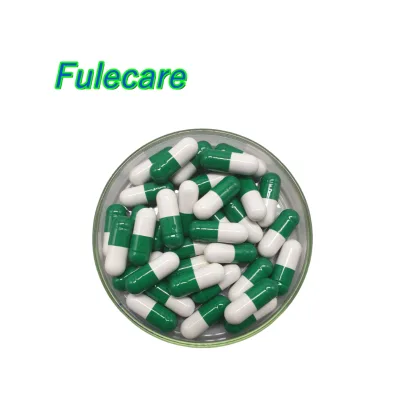
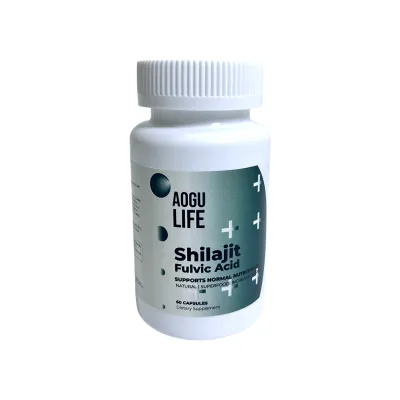
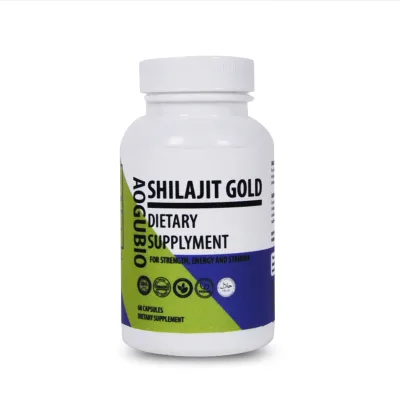
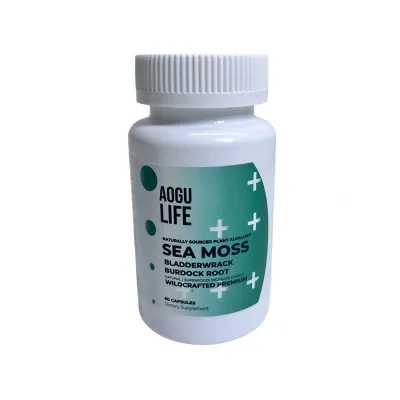
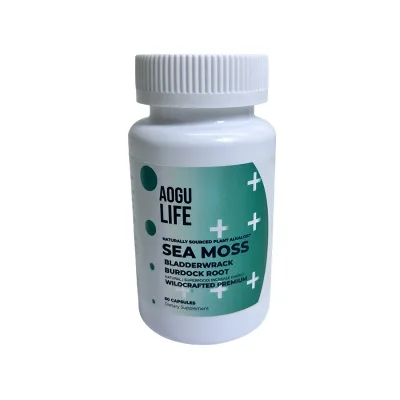


OEM/ODM Shilajit Sea Moss Capsules Sea Moss Shilajit Supplement with Ashwagandha
$1.88 - $2.48
MOQ: 100 bottle

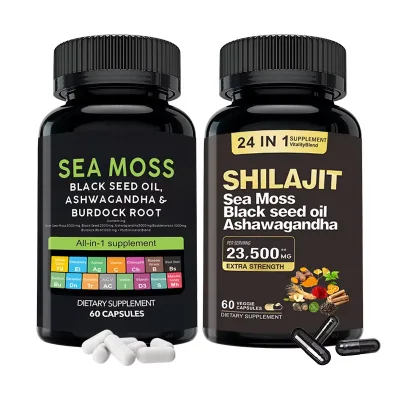
Ytbio Private Label Dual Herbal Complex Sea Moss Ashwagandha Vitality Support
$2.80 - $3.50
MOQ: 1 bottle


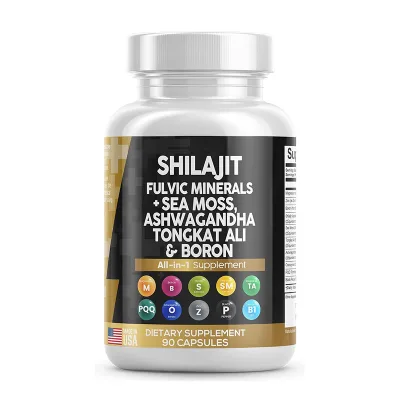
All in 1 Supplement Shilajit Fulvic Minerals Sea Moss Ashwagandha Capsules
$2.00 - $3.00
MOQ: 500 Pieces




Comprehensive Sourcing Guide
Organic Shilajit and Sea Moss Capsules Sourcing Guide
The global demand for natural dietary supplements has elevated the profile of Organic Shilajit and Sea Moss Capsules as premium functional ingredients. These products are increasingly sought after for their potential to support immune function and general wellness, with manufacturers often positioning them as versatile solutions for adult consumers. Procurement teams must recognize that while the core concept is consistent, the specific formulation, extraction method, and source material can vary significantly between suppliers. Understanding these nuances is critical for aligning product specifications with your brand's quality standards and regulatory requirements in target markets.
Sourcing these capsules requires a disciplined approach to verifying the botanical origin and processing techniques used by potential vendors. The market offers products derived from artificial planting methods, utilizing specific plant parts such as seeds or bark, which directly impacts the final composition and efficacy of the supplement. Buyers should prioritize suppliers who provide transparent documentation regarding their cultivation practices and extraction technologies, such as spray drying, to ensure the integrity of the active ingredients. This foundational verification step prevents the acquisition of substandard goods that may fail to meet consumer expectations or regulatory thresholds.
Product Scope and Observed Listing Signals
Current market listings for Organic Shilajit and Sea Moss Capsules reveal a diverse range of product attributes, including specific model numbers like FL-Sea Moss Capsules and variations incorporating shilajit blends. The observed product forms are predominantly capsules, designed for ease of consumption, with dosage strengths typically centered around 500mg per unit. These formulations are marketed for all seasons and are intended for adult populations, including men and women, while explicitly excluding newborns due to safety considerations. The packaging formats vary from individual bottles to bulk containers like drums or glass jars, reflecting the flexibility required for different distribution channels.
Price and minimum order quantity (MOQ) signals indicate a wide spectrum of commercial entry points, with observed prices ranging from $1.25 to $7.19 USD and MOQs spanning from single units to 500 bottles. Some suppliers offer flexible terms with an MOQ of just 1 kg, while others enforce stricter thresholds of 100 bottles, necessitating a clear assessment of your inventory needs before engaging. The availability of samples is a common feature, allowing buyers to evaluate the physical appearance, which is often described as brown powder or encapsulated forms, before committing to larger orders. This variability underscores the importance of defining precise requirements to avoid mismatches between supplier capabilities and procurement goals.
Technical Specifications to Verify
Technical due diligence must focus on the active ingredient profile and the purity specifications of the herbal extracts. Buyers should verify that the product contains the declared vitamin content and that the purity levels meet the high standards expected in the food and health food sectors. The extraction type, such as spray drying, is a critical technical parameter that influences the stability and bioavailability of the final capsule. Additionally, the specific model numbers and part origins, whether derived from seeds or bark, must be cross-referenced with the product description to ensure the correct botanical source is being supplied.
Quality control testing methods are another essential technical specification to confirm before finalizing a purchase agreement. Reliable suppliers utilize advanced analytical techniques such as HPLC, TLC, and UV spectroscopy to validate the composition and potency of their herbal supplements. These test methods provide objective data on the presence of active compounds and the absence of contaminants, ensuring the product meets the required 98% specification or other purity benchmarks. Procurement teams should request recent test reports to confirm that the product consistently adheres to these rigorous analytical standards across different production batches.
Compliance and Safety Documentation
Regulatory compliance is paramount when sourcing herbal supplements intended for food, cosmetic, and health food applications. Suppliers should possess recognized certifications such as ISO9001, Halal, and Kosher, which demonstrate adherence to international quality management systems and religious dietary laws. These certifications are not merely marketing tools but serve as evidence of a supplier's commitment to maintaining consistent production standards and safety protocols. Buyers must verify the validity of these certificates and ensure they cover the specific manufacturing facilities where the Organic Shilajit and Sea Moss Capsules are produced.
Safety documentation must also address the specific grade and shelf-life parameters of the product to ensure it remains safe for consumption throughout its intended use period. The products are typically classified as food grade with a shelf life of two years or 24 months, provided they are stored in cool, dry places. It is crucial to confirm that the packaging, whether it be bottles, boxes, or vacuum-packed containers, is designed to maintain product integrity and prevent degradation over time. Additionally, suppliers should provide clear labeling regarding applicable and non-applicable populations to mitigate liability risks associated with improper use.
Cost Drivers and Commercial Terms
The commercial landscape for these supplements is influenced by several cost drivers, including the complexity of the extraction process, the grade of the raw materials, and the level of customization required. OEM and ODM services are widely available, allowing brands to request custom logo packaging and specific bottle sizes, such as 30g or 60g per bottle, which can impact the overall unit cost. The choice of packaging material, ranging from plastic containers to glass jars and drums, also plays a significant role in determining the final price and logistics expenses. Buyers should evaluate the trade-off between premium packaging options and cost efficiency based on their target market positioning.
Negotiating commercial terms requires a clear understanding of the minimum order quantities and the flexibility of the supplier regarding sample availability. While some vendors offer low MOQs of 1 kg to facilitate market testing, others may require orders of 100 bottles or more, which can affect cash flow and inventory management strategies. The availability of samples is a key factor in the decision-making process, as it allows for physical verification of the product's appearance, flavor, and dosage form before scaling up. Procurement teams should leverage these terms to secure favorable conditions that align with their production schedules and budget constraints.
Supplier Qualification and Quality Control
Supplier qualification extends beyond basic certification checks to include a thorough assessment of their cultivation methods and production capabilities. The use of artificial planting methods for the raw materials suggests a controlled environment that can help ensure consistency in the supply chain, but buyers must verify the specific practices employed to maintain organic integrity. The supplier's ability to handle different parts of the plant, such as seeds or bark, and their expertise in extraction technologies like spray drying are indicators of their technical competence. A robust quality control system should be in place to monitor every stage of production, from raw material sourcing to final packaging.
Quality control protocols must be validated through regular audits and the review of test results to ensure ongoing compliance with safety and efficacy standards. Suppliers should demonstrate a commitment to maintaining high purity levels and adhering to the specified model numbers and product names without deviation. The ability to provide detailed information on the single package size and gross weight is also essential for logistics planning and cost estimation. Buyers should establish a clear communication channel with suppliers to address any quality concerns promptly and to ensure that the product consistently meets the agreed-upon specifications.
Long-Term Procurement Checks
Establishing a long-term procurement relationship requires continuous monitoring of product performance and supplier reliability over time. Buyers should implement a system for tracking batch-to-batch consistency, ensuring that the active ingredient content and purity levels remain stable across different production runs. Regular re-verification of certifications and test methods is necessary to confirm that the supplier continues to meet the evolving regulatory requirements of the food and health food sectors. This proactive approach helps mitigate the risk of supply chain disruptions and ensures that the product maintains its quality and safety profile.
Strategic planning for future procurement should also consider the scalability of the supplier's operations and their ability to accommodate increasing demand. As the market for Organic Shilajit and Sea Moss Capsules grows, suppliers must be capable of expanding their production capacity without compromising quality or delivery timelines. Buyers should maintain open dialogue with suppliers regarding their capacity for OEM and ODM customization, ensuring that the partnership can evolve to meet changing brand needs. By fostering a collaborative relationship based on transparency and mutual growth, procurement teams can secure a reliable supply of high-quality supplements for the long term.
FAQs
What certifications are available for these capsules?
Certifications include ISO9001, Halal, and Kosher standards. These credentials ensure compliance with international quality and dietary requirements. Buyers can verify these documents to meet specific regional regulations or religious dietary restrictions for their target markets.
Can I request custom packaging and branding?
OEM and ODM services are acceptable for custom logo packaging. Suppliers offer various packaging options including bottles, cans, drums, and glass containers. This flexibility allows buyers to create unique product identities that align with their brand strategies and retail requirements.
What is the minimum order quantity for bulk purchases?
The minimum order quantity varies, with some listings requiring 100 bottles and others starting at 1 kg. Buyers should confirm specific MOQs with suppliers based on their volume needs. This range accommodates both small trial orders and large-scale industrial procurement requirements.
Where are these herbal supplements manufactured?
The place of origin is Shaanxi, China. This region is known for herbal extract production. Buyers sourcing from this location should consider logistics and supply chain stability when planning their procurement strategy and evaluating potential delivery timelines for international shipments.
How should these capsules be stored to maintain quality?
Store in a cool, dry place to preserve potency. The shelf life is typically two years when stored correctly. Proper storage conditions prevent degradation of the active ingredients, ensuring the product remains effective and safe for consumption throughout its designated expiration period.
What forms are available for these supplements?
The primary form is capsules, with dosages like 500mg available. Some products may also appear as brown powder. Capsules offer convenient dosing and portability, making them suitable for health food applications and direct consumer use in various retail formats.